
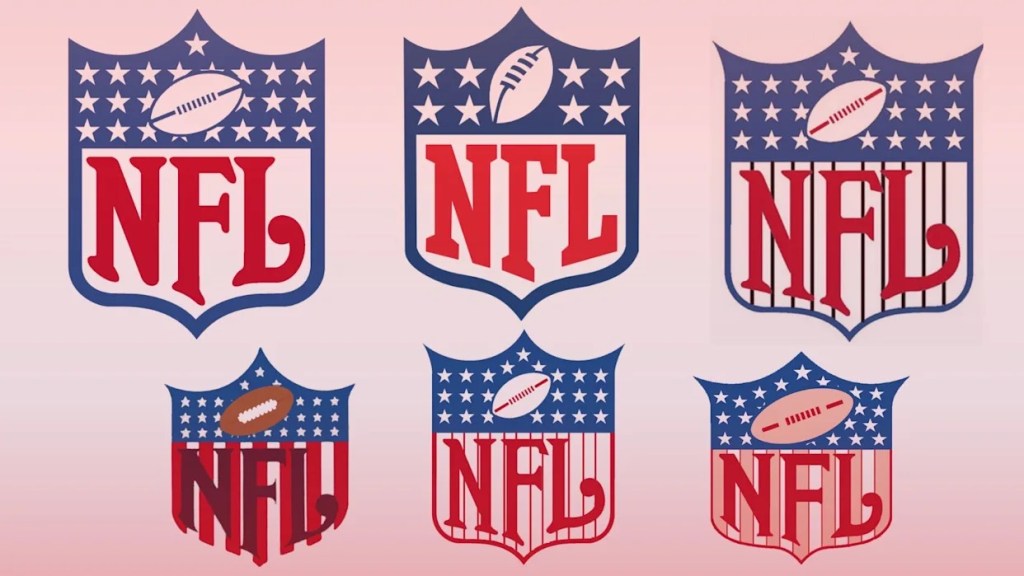
The NFL might feel like it’s always been the juggernaut of American sports, but this billion-dollar empire had humble beginnings. In fact, before 1920, professional football was a scattered mix of small leagues and independent teams with no real structure or standard rules.
That changed on September 17, 1920, when a group of professional teams met at the Jordan and Hupmobile Auto Showroom in Canton, OH, now home to the Pro Football Hall of Fame, to form what would eventually become the National Football League. Their goal for this newly created league was simple: bring order to the chaos of professional football.
In an effort to gain notoriety for the league, sports icon and football phenom, Jim Thorpe, was elected as the first ever president. Back then, the president was essentially the same as the current day commissioner, but the strange part was that Thorpe was both a current player and coach in the league.
Despite the possible conflict of interest, the NFL was off and running.
Early Struggles and Survival
At first, the NFL—then called the American Professional Football Association—was far from glamorous. There were just 14 teams across five states, and money was scarce. Many franchises folded quickly, leaving only the Chicago Bears (originally the Decatur Staleys) and the Arizona Cardinals (originally the Racine Cardinals) as survivors from the inaugural season. By 1927, financial woes forced the league to shrink from 22 teams to just 12.
A number of other teams eventually dissolved following the financial purge ahead of the 1927 season, but plenty of new teams joined the fold as well. From 1921 to 1933, we saw the emergence of iconic franchises such as the Green Bay Packers, New York Giants, Detroit Lions, Washington Commanders, Philadelphia Eagles, Pittsburgh Steelers and Los Angeles Rams.
Although the NFL was struggling early on, it continued to evolve. The forward pass was modernized in 1932, hash marks were added, and in 1933, the NFL introduced its first official championship game.
The official championship game was instituted as a result of growing fan interest. Prior to 1933, the team with the highest winning percentage was automatically named league champion.
However, the 1932 season saw a tie between the two top teams, which forced a “playoff” to determine the true champion. Due to inclement weather conditions, the game was actually held indoors under modified rules because the arena did not fit the regulation-sized field. Despite the interesting gameplay, the stakes of the game had fans more intrigued than ever, so the NFL decided to make the championship game a staple at the end of each season.
Growing Pains and New Audiences
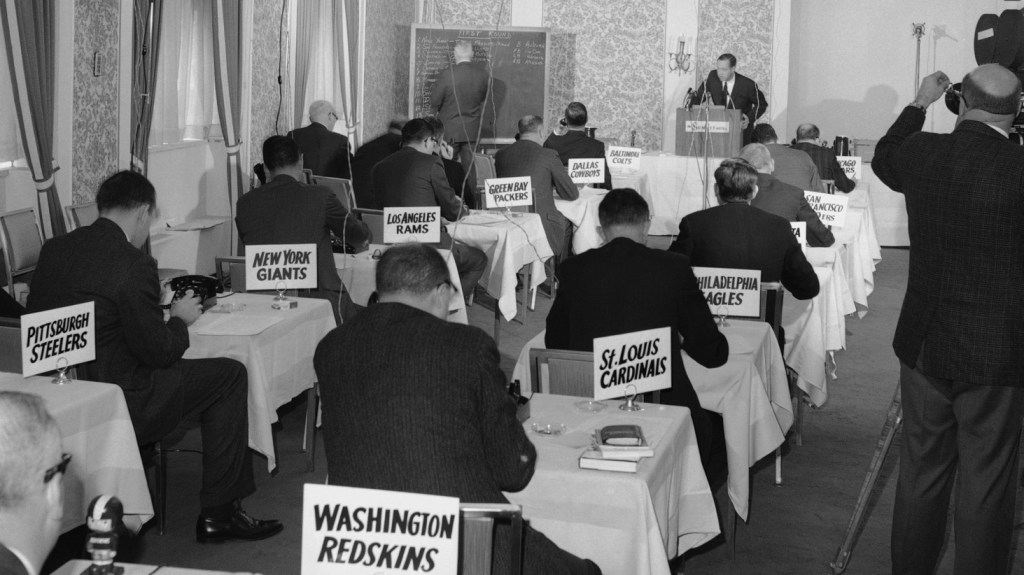
The league would change forever as the NFL Draft was introduced in 1936 in an attempt to level the playing field as teams fought to sign the top college prospects. In those days, however, the NFL was not offering players the astronomical salaries that we see today. As a result, many of the best college prospects chose to pursue other careers instead of professional football. In fact, the first player to ever be selected in the NFL Draft, Heisman Trophy winner Jay Berwanger, decided to forgo a career in football because he did not receive his desired salary. This is a harsh contrast to the way draft picks are treated now, especially the first overall pick.
The 1940s and 50s brought rapid change. Plastic headgear replaced leather and the use of helmets became a requirement, facemasks were introduced, and referees finally traded bullhorns for whistles. Television soon became a game-changer, with the Rams and Redskins among the first teams to broadcast every game in 1950, proving that NFL games could serve as popular home entertainment. The league all-star game, better known as the Pro Bowl, also emerged in 1951, which added to the the overall fan experience.
Meanwhile, rival leagues popped up to compete with the NFL such as the All-American Football Conference, but these upstarts didn’t stand a chance. Instead, teams from these leagues opted to join the NFL instead of compete with it, and from these leagues the NFL gained the Cleveland Browns, San Francisco 49ers and (now) Indianapolis Colts.
The AFL and the Super Bowl Era
By 1960, the NFL faced its biggest challenger yet: the American Football League (AFL). Unlike earlier rivals, the AFL had TV contracts, money, and the marketing power to compete. After years of competition and bidding wars for top players, the two leagues struck a deal that would change professional football as we know it. In 1966, the NFL and AFL announced that they had agreed to a merger, and they would integrate for regular season play starting in 1970.
By this point, the NFL had welcomed the Dallas Cowboys and Minnesota Vikings to their ranks, and the merger announcement resulted in both the NFL and AFL fighting for new expansion teams. This battle of acquisition gave birth to the Atlanta Falcons, Miami Dolphins, New Orleans Saints and Cincinnati Bengals. The original AFL teams were the (now) New England Patriots, Houston Oilers, Buffalo Bills, New York Jets, Denver Broncos, Kansas City Chiefs, (now) Las Vegas Raiders and Los Angeles Chargers.
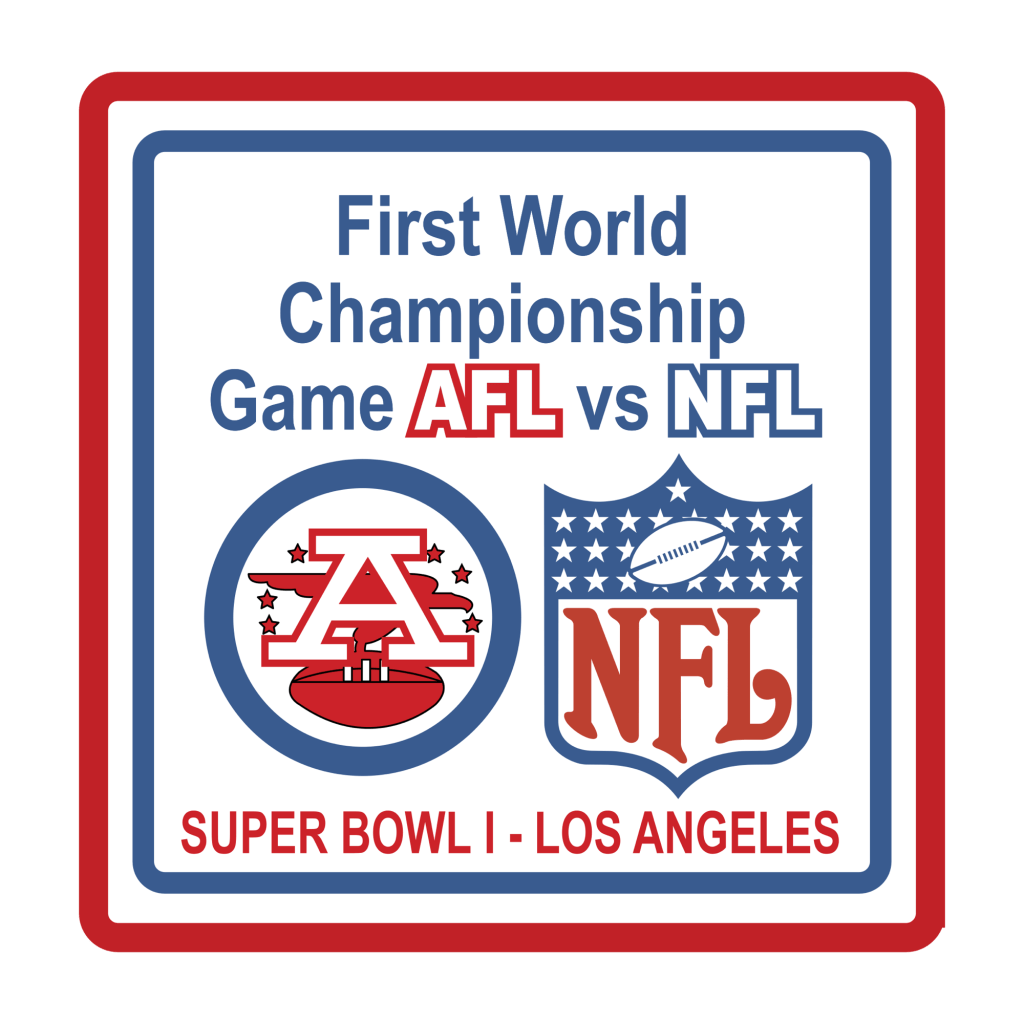
Until 1970, the champions from both leagues would meet in a new championship game to decide the “world champion” of football. In January of 1967, the champions of each league met in what was first called the AFL–NFL World Championship Game—but soon became known as the Super Bowl. The Green Bay Packers claimed the first two titles under the leadership of their legendary coach, Vince Lombardi, but sadly, Coach Lombardi would pass away just before the start of the merger season in 1970. To pay homage to the coaching icon, the championship trophy was officially renamed as the Vince Lombardi Trophy. Since then, this trophy has become arguably the most iconic and recognizable championship trophy in all of professional sports.
Expansion, Innovation, and Iconic Moments
After the league merger was complete, the NFL exploded. Expansion teams like the Seattle Seahawks and Tampa Bay Buccaneers came in 1976, followed by the Carolina Panthers and Jacksonville Jaguars years later in 1995. Although, there was also a sense of instability at times, and a handful of teams eventually left their original cities for new markets.
Prime examples of this were when the Cleveland Browns fled Ohio and converted their team into the Baltimore Ravens followed by the Houston Oilers making a similar move and heading to Tennessee, eventually rebranding as the Titans. However, the void in Cleveland did not last long, and the Browns rejoined the league as an expansion franchise in 1999. This addition brought the league to an uneven 31 teams, so to even everything out, the city of Houston also regained a team with the emergence of the Texans in 2002, bringing the league to the 32 team power we know today.
Over the years, the playoff format was modified, the season was expanded, field numbers were added, instant replay and challenge flags were introduced, lucrative TV deals were signed, and the salary cap and modern free agency practices were implemented to improve both the gameplay and overall fan experience.
The Modern NFL
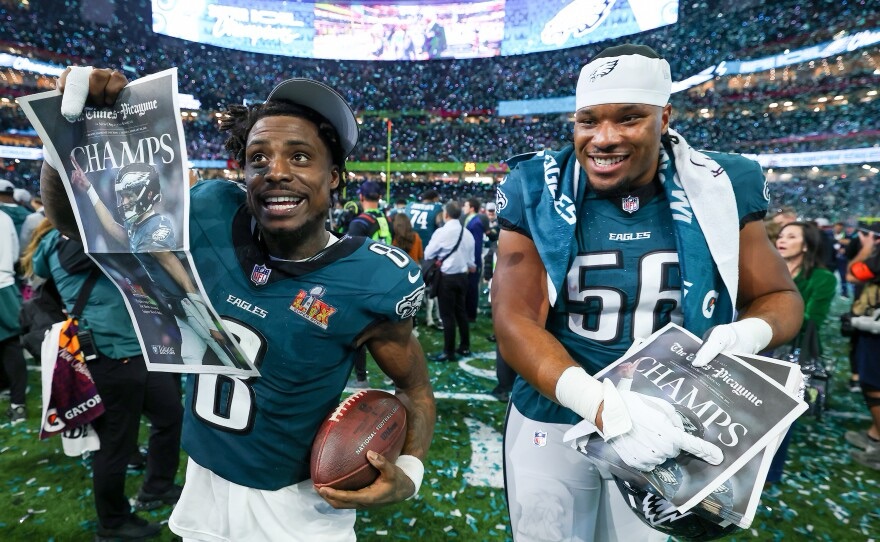
Today’s NFL is a cultural giant, drawing over $23 billion a year. The Super Bowl isn’t just a championship game—it’s the most watched annual broadcast in America.
The NFL’s story has always been about adapting and surviving. Teams have come and gone, rules have shifted, and the game has grown exponentially.
From a Canton car showroom to global dominance, the NFL’s journey is one of humble beginnings, innovation, and relentless growth.
If you enjoyed this breakdown, I dive even deeper into stories like this (and many more) on my YouTube channel — you can find it here: Get Set Sports. Hope to see you there!

 Get Set Sports
Leave a comment